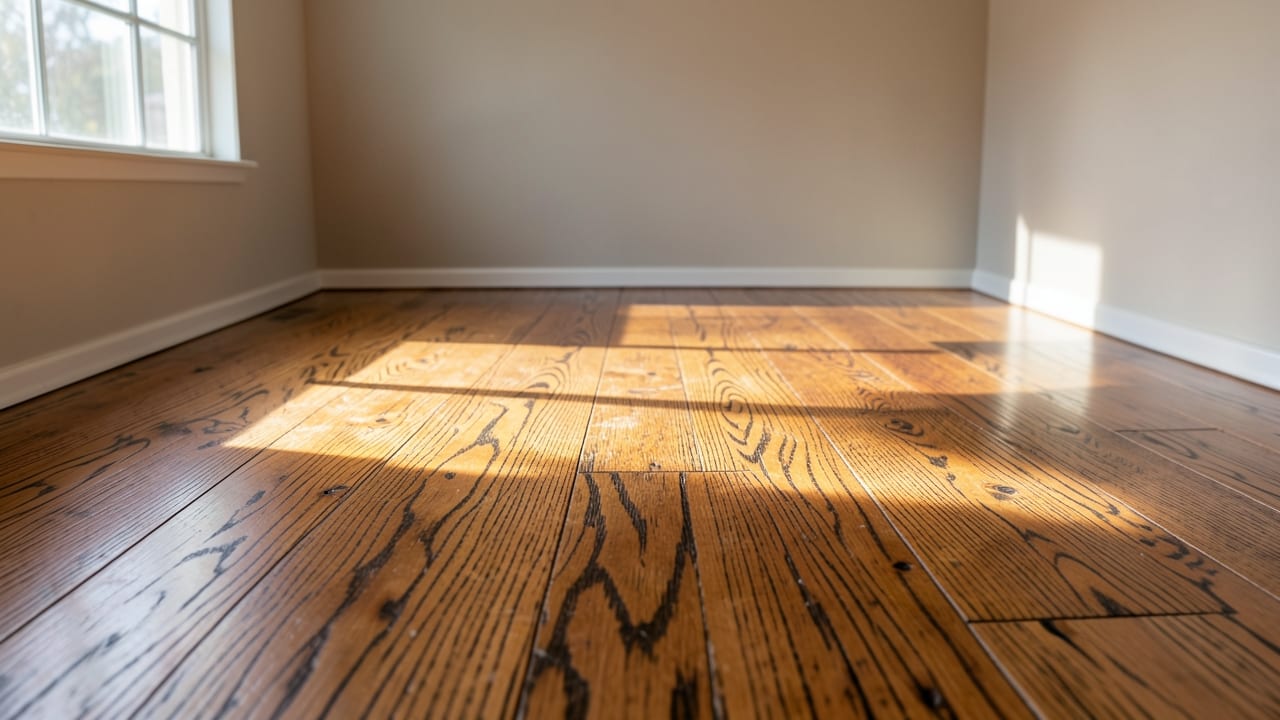
Water Damage Restoration
Water damage restoration in Providence, RI — extraction and structural drying to stop mold growth before it starts, following a leak, storm, or flood.
In Providence, RI, water damage restoration is urgent due to humid summers and old housing with damp basements. We extract water fast, dry structures thoroughly, and prevent mold growth within 24-48 hours to protect your home and health.
Why Providence Homes Are at Higher Risk
Providence’s four-season climate, with humid summers and frequent rainfall, slows natural drying. Older homes often have poorly ventilated basements, trapping moisture and increasing mold risk after water damage.
We also handle Laundry Room Mold Cleanup and Ceiling Mold Removal for Providence properties.
Without professional intervention, wet materials like drywall, insulation, and subflooring stay damp longer. Mold can begin growing within 24-48 hours, making timely action critical.
What to Expect During Restoration
Our process starts with extracting all standing water using powerful pumps. Next, we deploy industrial air movers and dehumidifiers to dry the structure—framing, subfloors, and wall cavities—not just surfaces.
Signs You Need Water Damage Restoration
- Standing water or visible moisture in basements, crawl spaces, or walls
- Musty odors, a common early sign of mold growth
- Discoloration, warping, or bubbling in drywall, flooring, or ceilings
- Increased humidity levels or condensation on windows
Insurance Claims & Documentation
We provide photo documentation and detailed moisture-mapping reports to support your insurance claim. These reports track drying progress daily, confirming when moisture levels return to normal baselines.
Call as soon as it's safe after a water event. Pricing depends on the extent of water intrusion and drying time required, so early action can reduce costs and prevent further damage.
How Water Damage Restoration Works
Our team follows a proven process to restore your home quickly and safely.
- 1Water Extraction
We use high-powered pumps to remove all standing water from the affected area, preventing further saturation of materials.
- 2Structural Drying
Industrial air movers and dehumidifiers are placed to dry framing, subfloors, and wall cavities. Moisture is tracked daily using meters.
- 3Moisture Monitoring
Daily moisture readings ensure all materials return to normal baselines. A visual check isn’t enough—readings confirm the job is complete.
- 4Documentation
We provide photo documentation and a written moisture-mapping report for your records and insurance claim.
Frequently Asked Questions
How quickly can mold start growing after water damage?
Mold can begin growing within 24-48 hours of materials staying wet. That’s why urgent situations generally move ahead of routine scheduling water extraction and drying to prevent mold from establishing.
Why can’t I just dry the area myself with fans?
Household fans dry surfaces but can’t reach trapped moisture inside wall cavities or subfloors. Industrial equipment and moisture meters are required to ensure thorough drying and prevent mold.
Will my insurance cover water damage restoration?
Coverage depends on your policy and the cause of the water damage. We provide detailed documentation, including moisture-mapping reports and photos, to support your claim.
How does Providence’s climate affect water damage?
Providence’s humid summers and older housing stock with damp basements slow natural drying. This increases mold risk, making professional restoration even more critical here.
See Attleboro, MA for more, or find out about what's included in our Providence service across the area for our complete lineup.
Ready to get started?
Talk to a local mold remediation pro in Providence — get a written quote.
Other Mold Remediation Services in Providence
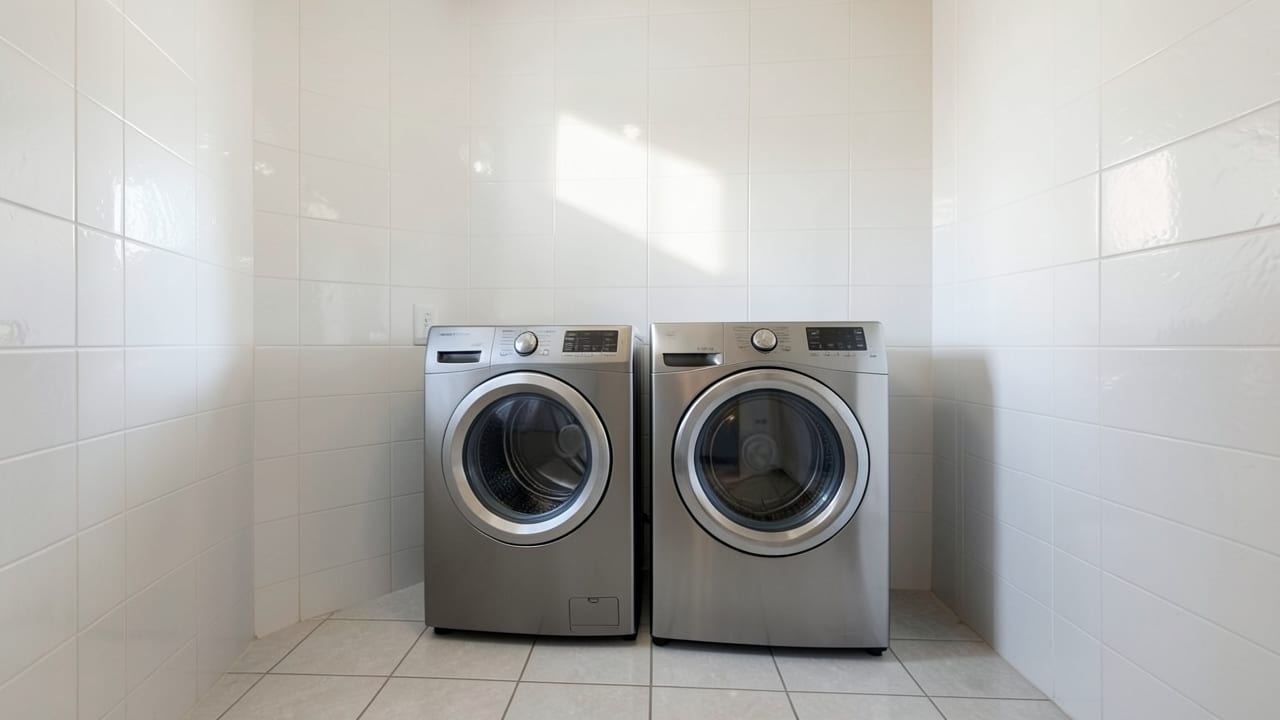
Laundry Room Mold Cleanup in Providence, RI
Professional mold removal and remediation in laundry rooms to restore a safe, clean space.
Learn More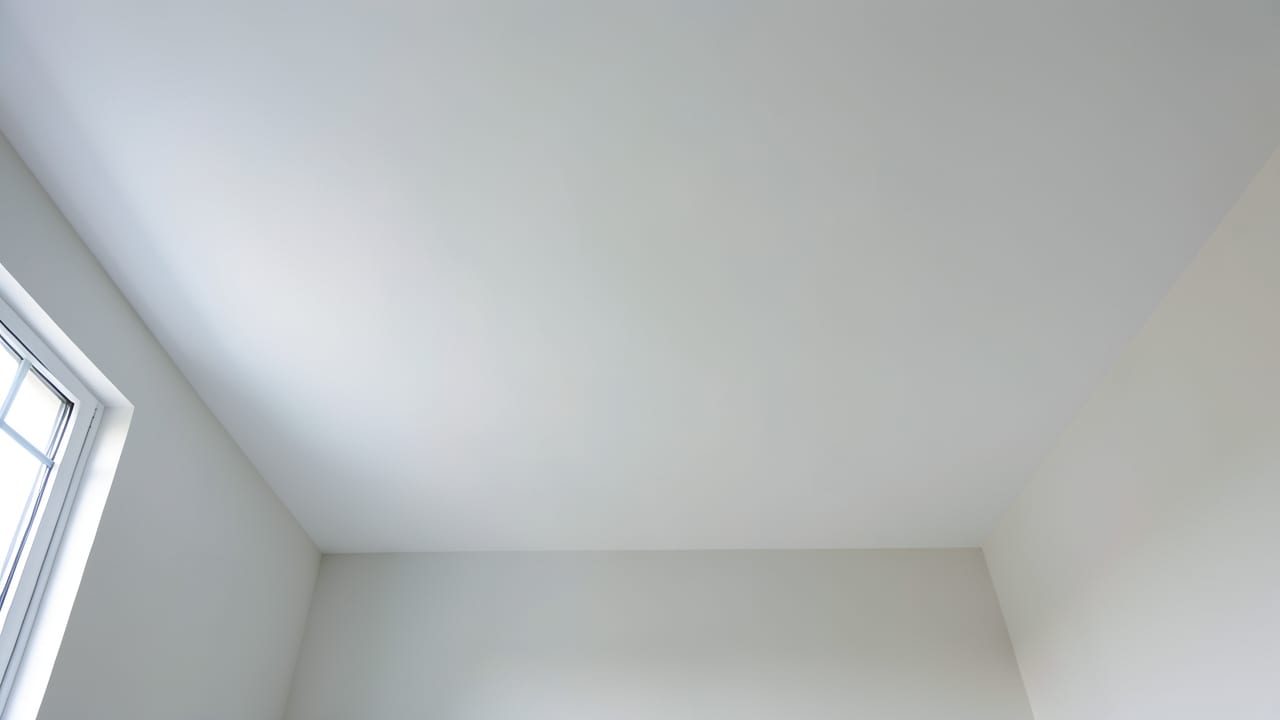
Ceiling Mold Removal in Providence, RI
Professional removal of mold growth from ceilings, including containment and cleanup.
Learn More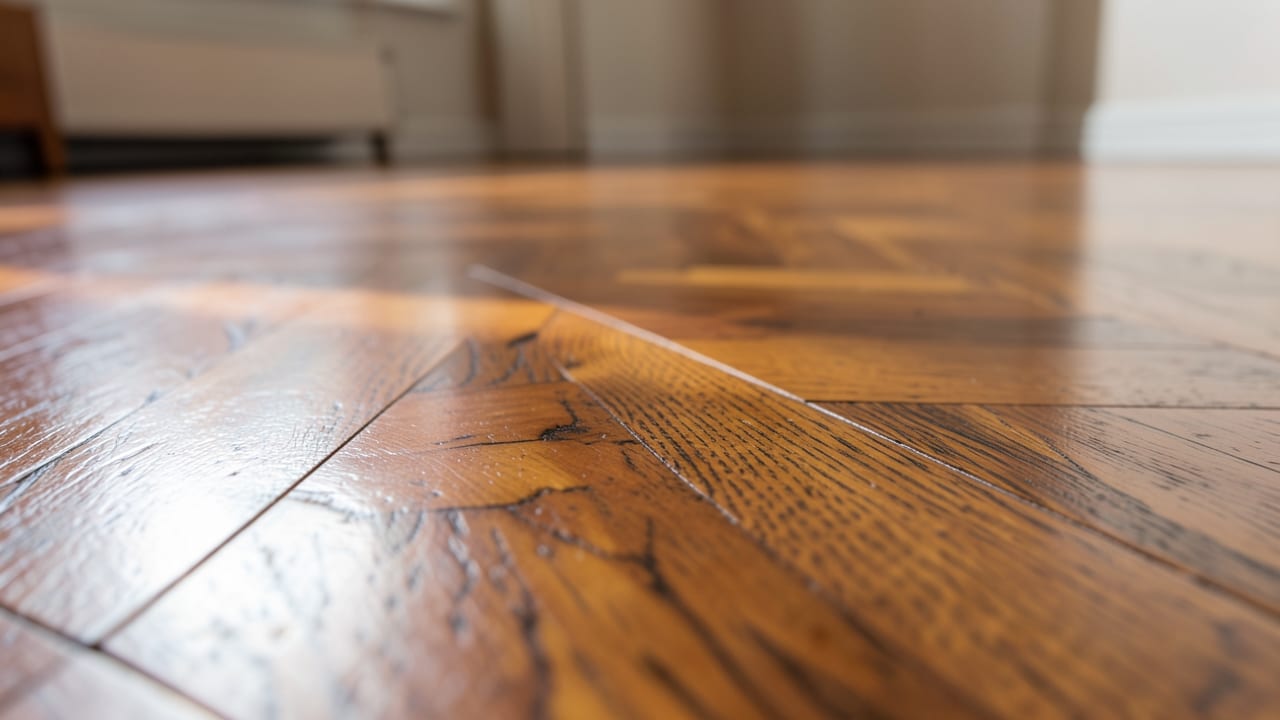
Flood Damage Mold Remediation in Providence, RI
Professional mold removal and remediation after flood damage in homes.
Learn More
Pipe Leak Mold Removal in Providence, RI
Professional removal of mold caused by pipe leaks in homes.
Learn More
Apartment Mold Remediation in Providence, RI
Professional mold removal and remediation for apartments to restore safe living conditions.
Learn More
Rental Property Mold Cleanup in Providence, RI
Professional mold removal and remediation for rental properties to restore safe living conditions.
Learn MoreCommon Questions About Mold Remediation in Providence
Everything you need to know about mold remediation services in Providence
How much does Water Damage Restoration typically cost in Providence, RI?
Why does Providence, RI's humidity make mold a bigger risk than in drier regions?
Can small mold problems be handled without hiring anyone?
What's the actual difference between mold removal and mold remediation?
Is a final clearance test part of a typical mold remediation job?
How does mold remediation actually prevent the problem from coming back?
Need Mold Remediation in Providence?
Connect with local providers in Providence for a detailed quote.
⏰ We answer your call • Serving all of Providence and surrounding areas