How to Prevent Toxic Mold Growth in Providence’s Humid Climate
Providence’s coastal humidity and seasonal storms create ideal conditions for toxic mold to take hold. We’ve seen firsthand how quickly spores colonize basements, attics, and crawl spaces when moisture lingers. Left unchecked, mold compromises air quality and structural integrity—especially in older homes common across Rhode Island.
Why Providence’s Climate Fuels Mold Growth
Our region’s high humidity, frequent rain, and temperature swings accelerate mold development. Basements in Cranston and Pawtucket often suffer from poor drainage, while attics in East Providence trap moisture from roof leaks or inadequate ventilation.
Mold spores thrive on organic materials like wood, drywall, and insulation—common in Providence’s historic homes. Even minor water intrusion from a cracked foundation or faulty gutter can spark an infestation within 24–48 hours.
Early Signs of Mold in Your Home
Visible dark spots or discoloration on walls, ceilings, or under sinks are red flags. Musty odors—especially in basements or crawl spaces—often indicate hidden mold behind drywall or under flooring.
Allergic reactions like sneezing, itchy eyes, or respiratory issues can signal elevated spore levels. In commercial properties, HVAC systems can spread mold spores across multiple floors if not properly maintained.
Mold behind walls or under flooring can cause structural damage long before it’s visible. Professional mold inspection with air quality testing is the only way to confirm its presence and extent.
Humidity vs. Mold: The Critical Thresholds
Mold growth accelerates when indoor humidity exceeds 60%. In Providence’s summer months, outdoor humidity often pushes indoor levels even higher without intervention.
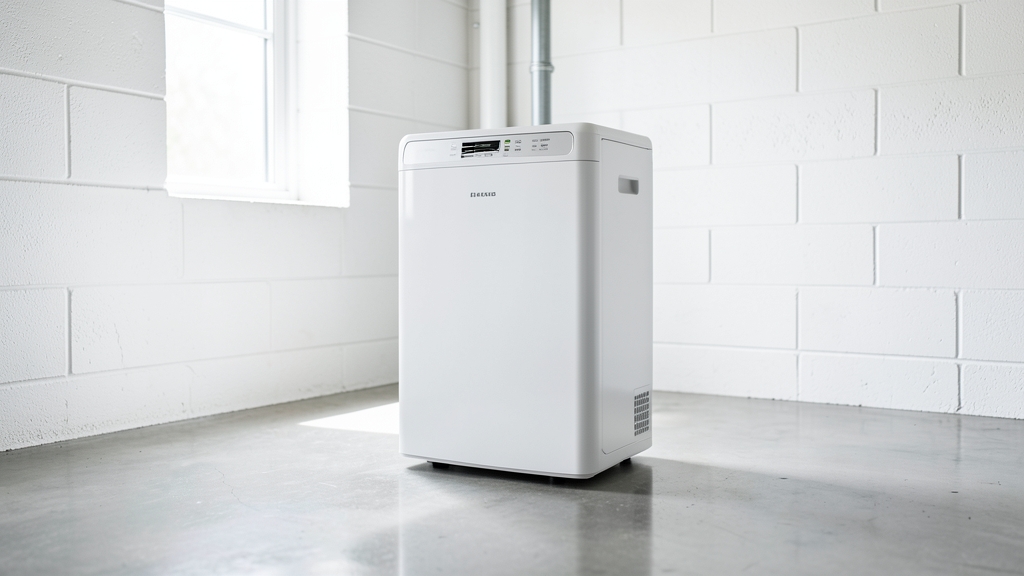
Dehumidifiers are essential in basements and crawl spaces, but they must be sized correctly for the area. Poorly maintained units can even contribute to moisture problems if they’re not emptied or drained properly.
| Humidity Range (%) | Mold Growth Risk | Recommended Action |
|---|---|---|
| Below 50 | Low | Maintain with dehumidifiers or ventilation |
| 50–60 | Moderate | Increase airflow; monitor for condensation |
| Above 60 | High | Immediate dehumidification and moisture source repair |
Top Moisture Sources in Rhode Island Homes
Leaky pipes, especially in older plumbing common in North Providence and Johnston, are a primary culprit. Roof leaks and poor attic ventilation allow moisture to seep into insulation and wood framing.
Condensation on windows, walls, or cold surfaces—common in winter—creates surface moisture that feeds mold. Poor grading around the foundation can direct rainwater into basements, a frequent issue in low-lying areas.
Common Moisture Hotspots to Inspect
- Under sinks and around plumbing fixtures
- Basement walls and floors (especially near cracks)
- Attic rafters and roof decking
- Crawl spaces with dirt floors or poor vapor barriers
- Around windows and exterior doors
Ventilation Strategies to Starve Mold
Exhaust fans in bathrooms and kitchens should vent outdoors, not into attics. In older homes, we often find fans dumping moist air into attics, which leads to attic mold remediation needs.
Whole-house ventilation systems, like ERVs or HRVs, help balance humidity in tightly sealed homes. In commercial spaces, regular HVAC maintenance prevents ductwork from becoming a mold distribution system.
Run bathroom fans for at least 20 minutes after showering. In basements, a simple box fan can improve airflow, but it’s no substitute for a dehumidifier in humid months.
Materials That Resist (or Encourage) Mold
Porous materials like drywall, carpet, and ceiling tiles absorb moisture and provide food for mold. In flood-prone areas, using mold-resistant drywall (e.g., paperless or fiberglass-faced) can buy time during water damage restoration.
Non-porous surfaces like glass, metal, and sealed concrete don’t support mold growth but can still harbor spores. Regular cleaning with mold-inhibiting solutions (e.g., vinegar or hydrogen peroxide) helps prevent colonization.
When DIY Isn’t Enough: Professional Remediation
Surface mold on non-porous materials can often be cleaned with proper PPE and EPA-approved solutions. However, porous materials with deep contamination usually require removal and replacement during mold remediation.
Large infestations (typically over 10 square feet) or mold in HVAC systems demand professional intervention. Our team uses containment barriers, HEPA air scrubbers, and antimicrobial treatments to ensure spores don’t spread during removal.
Long-Term Prevention: Moisture Control Systems
Installing vapor barriers in crawl spaces and basements prevents ground moisture from seeping in. In East Providence, where many homes have dirt-floor crawl spaces, this is a game-changer.
Sump pumps with battery backups protect against flooding during power outages. Regular gutter maintenance and downspout extensions direct water away from foundations, a simple but critical step in mold prevention.
How to Inspect for Mold in High-Risk Areas
A thorough inspection can reveal mold before it becomes a major problem.
- 1Check for Visible Signs
Look for dark spots, discoloration, or fuzzy growth on walls, ceilings, and under sinks. Pay special attention to basements, attics, and around windows.
- 2Follow Your Nose
Musty odors often indicate hidden mold. Trace the smell to its source, especially in enclosed spaces like closets or crawl spaces.
- 3Inspect for Moisture
Use a moisture meter to check for elevated levels in drywall, wood, or flooring. Areas with water stains or peeling paint are prime candidates.
- 4Test Air Quality
For confirmation, professional air quality testing can detect elevated spore counts. This is especially useful for identifying hidden mold in HVAC systems or behind walls.
- 5Document Findings
Take photos and notes of any mold or moisture issues. This helps professionals assess the scope and plan remediation if needed.
Frequently Asked Questions
How quickly can mold grow after a water leak in my Providence home?
Mold can begin colonizing within 24–48 hours of water exposure, especially in humid conditions. Immediate water damage restoration is critical to prevent infestations. Request a quote to assess the extent and plan remediation.
Are dehumidifiers enough to prevent mold in my basement?
Dehumidifiers help, but they’re not a complete solution. You’ll also need to address the root cause of moisture, such as leaks, poor ventilation, or condensation. In some cases, a vapor barrier or sump pump may be necessary.
Can I clean mold myself, or do I need a professional?
Small, surface-level mold on non-porous materials can often be cleaned with proper safety gear and EPA-approved solutions. However, porous materials or large infestations (over 10 sq ft) require professional mold remediation to ensure spores are fully contained and removed.
What’s the difference between mold inspection and mold testing?
Mold inspection involves a visual and moisture assessment to identify potential mold sources. Mold testing, including air quality testing, collects samples to confirm the type and concentration of spores. Both are often used together for a thorough evaluation.
Why is mold more common in older homes in Cranston or Pawtucket?
Older homes often have outdated plumbing, poor ventilation, and deterioration in foundations or roofs—all of which increase moisture intrusion. Many also lack modern vapor barriers or insulation, making them more susceptible to mold growth.
Does homeowners insurance cover mold remediation in Rhode Island?
Coverage varies by policy. Most standard policies cover mold damage resulting from a sudden, accidental event (e.g., a burst pipe), but not from long-term neglect or high humidity. Review your policy and consult your insurer to understand your options.