Mold in Your HVAC System? How to Clean and Prevent It in Providence
Mold in your HVAC system doesn’t just damage equipment—it spreads spores throughout your home every time the system runs. We see this often in Providence, where humid summers and older homes create perfect conditions for hidden growth in ductwork, coils, and drain pans. Left unchecked, it can trigger allergies, worsen respiratory issues, and even require full system remediation.
Why HVAC Systems Are a Mold Magnet
HVAC systems circulate air—and moisture—through dark, confined spaces. In Providence’s humid climate, condensation in ductwork or around coils creates a prime breeding ground for mold like Cladosporium, Aspergillus, and even toxic Stachybotrys.
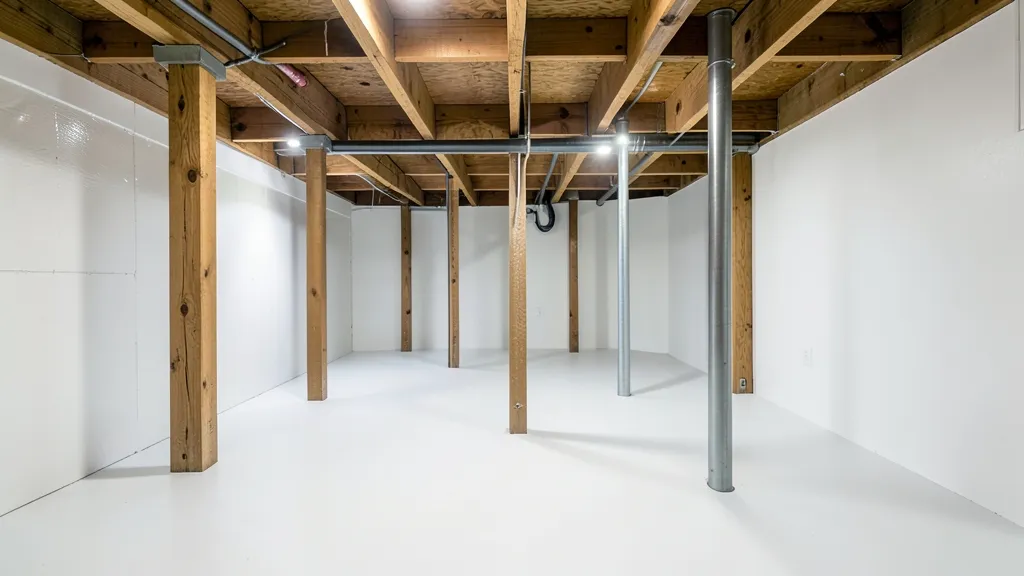
Poorly sealed ducts in basements or crawl spaces (common in older Cranston or Pawtucket homes) pull in damp air. Meanwhile, clogged condensate drains or dirty filters trap moisture, accelerating growth on evaporator coils and air handlers.
Signs Your HVAC System Has Mold
A musty odor when the system runs is the most obvious red flag. But mold can also cause unexplained allergies, headaches, or respiratory irritation—especially in sensitive individuals.
Visible black, green, or white spots around vents, on coils, or inside the air handler are clear indicators. Reduced airflow or a system that struggles to maintain temperature can also signal blockages from mold buildup.
Common HVAC Mold Warning Signs
- Persistent musty smell from vents
- Visible mold on coils, ducts, or drain pans
- Increased allergy or asthma symptoms indoors
- Unexplained humidity spikes in certain rooms
- Reduced airflow or inefficient cooling/heating
Health Risks of HVAC Mold Exposure
Inhaling mold spores from contaminated HVAC systems can trigger allergic reactions, sinus congestion, and skin irritation. For those with asthma or compromised immune systems, exposure may lead to severe respiratory infections or chronic lung conditions.
Black mold (Stachybotrys) produces mycotoxins that, in prolonged exposure, can cause neurological symptoms or long-term health issues. Children, the elderly, and pets are especially vulnerable.
If you see dark, slimy patches in your HVAC system, avoid running the system and contact a professional for mold testing. Disturbing it can release high concentrations of spores.
DIY vs. Professional HVAC Mold Removal
Surface mold on vents or accessible ducts can sometimes be addressed with HEPA vacuuming and antimicrobial cleaners. However, mold inside ductwork, coils, or air handlers often requires professional remediation to ensure complete removal and prevent recurrence.
In Providence, where many homes have complex or aging HVAC systems, DIY attempts can miss hidden growth in hard-to-reach areas. Professionals use specialized equipment like negative air machines, foggers, and moisture meters to treat the root cause.
| Factor | DIY Approach | Professional Remediation |
|---|---|---|
| Scope | Surface-level cleaning (vents, visible areas) | Full system inspection, deep cleaning, and containment |
| Equipment | HEPA vacuum, household cleaners | Industrial air scrubbers, antimicrobial treatments, moisture meters |
| Safety | Risk of spore dispersal if not contained | Containment protocols, PPE, and post-remediation testing |
| Cost Factors | Low upfront (time and supplies) | Varies by system size, mold severity, and accessibility |
| Long-Term Effectiveness | High recurrence risk without moisture control | Address root causes; includes prevention strategies |
Step-by-Step Professional HVAC Mold Remediation
Our team starts with a thorough inspection, including air quality testing and moisture mapping. This identifies the extent of contamination and sources of excess humidity—critical in Providence’s damp basements and crawl spaces.
We then contain the affected areas using plastic sheeting and negative air pressure to prevent spore spread. All contaminated components (filters, insulation, duct sections) are removed and replaced if necessary.
Preventing Mold Regrowth in Your HVAC System
Controlling humidity is key. In Rhode Island, we recommend maintaining indoor humidity between 30-50% with dehumidifiers, especially in basements and crawl spaces. Regularly inspect and clean condensate drain lines to prevent clogs and standing water.
Upgrade to high-quality air filters (MERV 8-13) and replace them every 1-3 months. Consider UV-C lights installed in the ductwork to inhibit mold growth on coils and air handlers. Ensure proper ventilation in bathrooms, kitchens, and attics to reduce moisture buildup.
Before summer humidity hits, schedule an HVAC maintenance check. This includes cleaning coils, checking drain pans, and verifying proper airflow—critical steps to head off mold before it starts.
When to Call a Mold Remediation Specialist
If mold covers more than 10 square feet, is in your ductwork, or returns after cleaning, it’s time for professional help. We also recommend expert intervention if occupants experience health symptoms or if the HVAC system serves a commercial space or multi-unit building.
For homes in East Providence or North Providence with older systems or past water damage, proactive inspections can save costly remediation later. Our team serves all of Rhode Island, including Johnston and Pawtucket, with tailored solutions for local conditions.
How to Inspect Your HVAC System for Mold
A quick visual and sensory check can reveal early signs of mold before they spread.
- 1Turn Off the System
Shut down the HVAC to prevent spore dispersal while inspecting. Open windows for ventilation if you suspect heavy contamination.
- 2Check Vents and Ducts
Remove vent covers and use a flashlight to look for black, green, or white spots. Pay attention to joints and seams where moisture collects.
- 3Inspect the Air Handler and Coils
Open the access panel to the air handler. Look for mold on the evaporator coils, drain pan, or blower components. A musty smell here confirms growth.
- 4Examine the Condensate Drain
Follow the drain line from the indoor unit. If it’s clogged or has standing water, mold is likely present. Use a wire brush to clear minor blockages.
- 5Test Air Quality
For a definitive answer, schedule professional air quality testing. This identifies spore types and concentrations, even if mold isn’t visible.
Frequently Asked Questions
Can I run my HVAC if I suspect mold?
No. Running a contaminated system will spread spores throughout your home, worsening air quality and health risks. Turn it off and contact a professional for mold testing and remediation.
How does mold get into HVAC systems in Providence?
High humidity, poor ventilation, and water leaks are the main culprits. In older homes common in Cranston or Pawtucket, poorly sealed ducts can pull in damp air from basements or crawl spaces, while condensation on coils provides moisture for growth.
Does homeowners insurance cover HVAC mold removal?
Coverage varies. Most policies exclude mold unless it’s the result of a covered peril, like a sudden water damage event. Review your policy and request a quote from a remediation specialist to understand costs.
What’s the difference between mold removal and remediation?
Removal refers to cleaning or eliminating visible mold, while remediation addresses the root cause—like fixing leaks or improving ventilation—to prevent recurrence. Full remediation often includes containment, air filtration, and post-treatment testing.
How often should I have my HVAC system inspected for mold?
Annually, especially before the humid summer months in Rhode Island. If your home has a history of water damage, poor ventilation, or musty odors, consider inspections every 6 months. Regular maintenance is cheaper than last-minute repairs.
Can UV lights really prevent mold in HVAC systems?
Yes, when installed correctly. UV-C lights disrupt mold DNA, preventing it from reproducing on coils and other surfaces. They’re most effective when combined with proper filtration and humidity control.