How to Clean and Maintain Your Dehumidifier for Optimal Mold Prevention in Providence
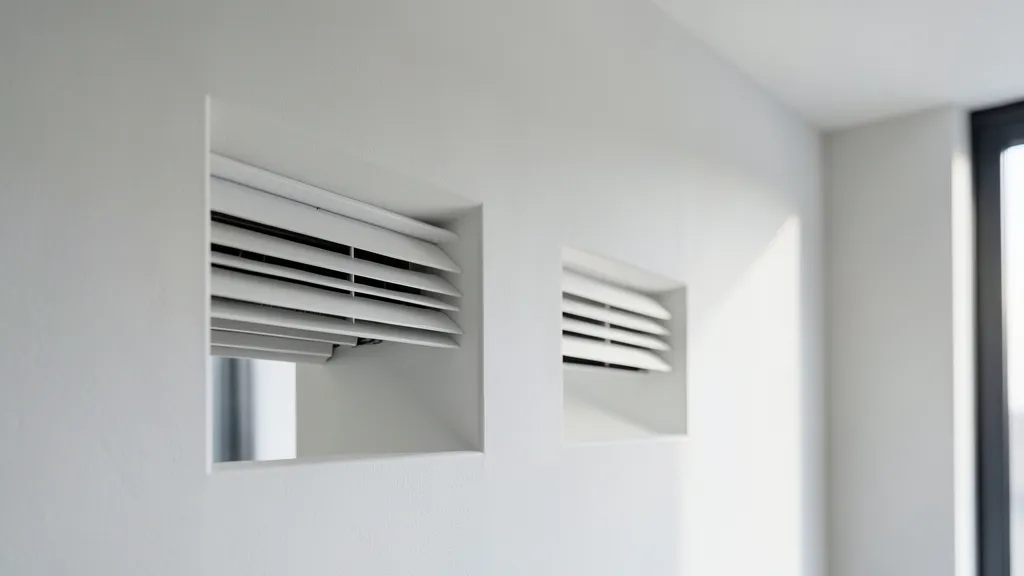
A well-maintained dehumidifier is your first line of defense against mold in Rhode Island’s humid climate. Without regular cleaning, these units can harbor mold spores and circulate them back into your home. We’ll walk you through the steps to keep yours running efficiently and safely.
Why Dehumidifier Maintenance Matters for Mold Prevention
Dehumidifiers pull moisture from the air, but if not cleaned, their coils and tanks can become breeding grounds for mold and bacteria. In Providence, where basements and crawl spaces are prone to dampness, this is a critical oversight.
Mold spores thrive in stagnant water and organic debris. A neglected unit can spread these contaminants, undermining your efforts in mold remediation and indoor air quality.
A dirty dehumidifier can worsen indoor air quality, especially in areas like East Providence or Cranston where humidity levels spike seasonally.
Signs Your Dehumidifier Needs Cleaning
Musty odors emanating from the unit are a red flag. This often indicates mold or mildew growth on the coils or in the water reservoir.
Visible black or green spots inside the tank or on the filter are clear signs of contamination. Reduced efficiency or unusual noises can also signal buildup.
Tools and Supplies You’ll Need
Gather a soft brush or cloth, mild detergent or vinegar, a vacuum with a brush attachment, and a screwdriver (if your unit requires disassembly).
For stubborn mold, a solution of water and hydrogen peroxide (3%) can be effective. Always unplug the unit before starting any maintenance.
Essential Cleaning Supplies
- Soft brush or microfiber cloth
- White vinegar or mild detergent
- Vacuum with brush attachment
- Screwdriver (if needed)
- Hydrogen peroxide (3%) for mold
- Spray bottle
Step-by-Step Cleaning Process
Start by unplugging the dehumidifier and emptying the water tank. Remove and clean the air filter with soapy water, then rinse and air-dry.
Use a brush or cloth to clean the evaporator and condenser coils. For mold, spray a vinegar or hydrogen peroxide solution and let it sit for 10–15 minutes before scrubbing.
Wipe down the exterior and interior of the unit, including the water reservoir. Ensure all components are completely dry before reassembling.
Maintenance Schedule to Prevent Mold Growth
Clean the water tank and filter every 2–4 weeks, depending on usage. In high-humidity months, like Providence summers, increase this to every 2 weeks.
Deep-clean the coils and interior every 3–6 months. Replace the air filter as recommended by the manufacturer, typically every 6–12 months.
| Task | Frequency | Notes |
|---|---|---|
| Empty and clean water tank | Every 2–4 weeks | More often in humid seasons |
| Clean or replace air filter | Every 1–3 months | Check manufacturer guidelines |
| Clean evaporator/condenser coils | Every 3–6 months | Use vinegar or hydrogen peroxide for mold |
| Wipe down exterior and vents | Monthly | Prevents dust and debris buildup |
Common Mistakes to Avoid
Never use harsh chemicals like bleach on coils, as they can damage the unit and leave harmful residues. Stick to vinegar or hydrogen peroxide.
Avoid running the dehumidifier without a filter. This allows dust and spores to bypass the system and settle in your home, especially in areas like Pawtucket or North Providence with older housing stock.
Always dry all parts thoroughly before reassembling. Moisture left inside can promote mold growth, defeating the purpose of your efforts.
When to Call a Professional for Mold Remediation
If you notice persistent mold growth in your home—especially in basements, crawl spaces, or attics—despite regular dehumidifier maintenance, it’s time for a professional mold inspection.
Our team specializes in mold testing, air quality testing, and full remediation services for Providence, Cranston, and surrounding areas. We’ll identify the root cause of moisture issues and provide lasting solutions.
Additional Tips for Mold Prevention in Rhode Island Homes
Use a hygrometer to monitor indoor humidity levels, aiming to keep them below 50%. In Providence’s damp climate, this often requires running a dehumidifier consistently.
Ensure proper ventilation in high-moisture areas like bathrooms, kitchens, and basements. Consider crawl space encapsulation or attic ventilation upgrades if mold is a recurring issue.
Homes in Johnston and East Providence often face mold challenges due to poor drainage or older construction. Proactive moisture control is key.
How to Clean Your Dehumidifier’s Coils
Cleaning the coils is critical for efficiency and mold prevention.
- 1Unplug and Disassemble
Turn off and unplug the unit. Remove the water tank and any accessible panels to expose the coils.
- 2Remove Loose Debris
Use a vacuum with a brush attachment to gently remove dust and debris from the coils.
- 3Apply Cleaning Solution
Spray a 50/50 mix of white vinegar and water (or hydrogen peroxide) onto the coils. Let it sit for 10–15 minutes.
- 4Scrub and Rinse
Gently scrub the coils with a soft brush, then wipe with a damp cloth. Avoid soaking the coils.
- 5Dry and Reassemble
Allow all parts to air-dry completely before reassembling the unit.
Frequently Asked Questions
How often should I clean my dehumidifier in Providence’s climate?
In Providence, clean the tank and filter every 2 weeks during humid months (spring to fall). Deep-clean the coils every 3 months. High-usage areas like basements may require more frequent attention.
Can a dirty dehumidifier cause mold in my home?
Yes. A neglected dehumidifier can harbor mold spores in its coils and tank, then circulate them into your home’s air. This is especially risky in damp areas like crawl spaces or attics.
What’s a good way to prevent mold in my basement dehumidifier?
Empty and clean the tank regularly, use a vinegar solution for deep cleaning, and ensure the unit is sized correctly for your basement’s square footage. Proper drainage and ventilation also help.
Should I use bleach to clean my dehumidifier?
No. Bleach can damage the unit’s components and leave harmful residues. Vinegar or hydrogen peroxide are safer and equally effective for mold removal.
My dehumidifier smells musty. What should I do?
This usually indicates mold or bacteria in the tank or coils. Clean the unit thoroughly with vinegar or hydrogen peroxide, and replace the filter if it’s old or clogged.
Do you offer mold remediation services for homes in Cranston or Pawtucket?
Yes, our team provides mold inspection, testing, and remediation services across Providence, Cranston, Pawtucket, and nearby areas. Request a quote to address your specific needs.